
Collaborative Approach
Instead of navigating separate providers, you get a team that works together to support your child from every angle.


Applied Behavior Analysis therapy uses proven, evidence-based techniques to help children build skills in communication, social interaction, play, academics, and everyday routines.
Whether practicing sharing during playtime, building independence in morning routines, or learning new skills in school and community settings, each program is personalized, hands-on, and connected to real life.
Pediatric Occupational Therapy helps children build the skills they need to participate fully in everyday life.
Our therapists support children with challenges such as sensory processing and regulation, motor planning and coordination, hand strength, and self-care routines like feeding, dressing, and buttoning.
Using a playful, child-centered approach, each session actively includes parents to acknowledge and address their concerns.

Speech and Language Therapy supports children in communicating their needs, ideas, and feelings.
Our therapists work to alleviate challenges like unclear speech, limited vocabulary, social communication, stuttering, and even feeding and oral-motor concerns.
By turning everyday moments into opportunities to connect by reading stories or sharing jokes, we make speech therapy feel like play, not practice.
We coordinate our work with other providers to ensure your child receives well-rounded support across all environments.
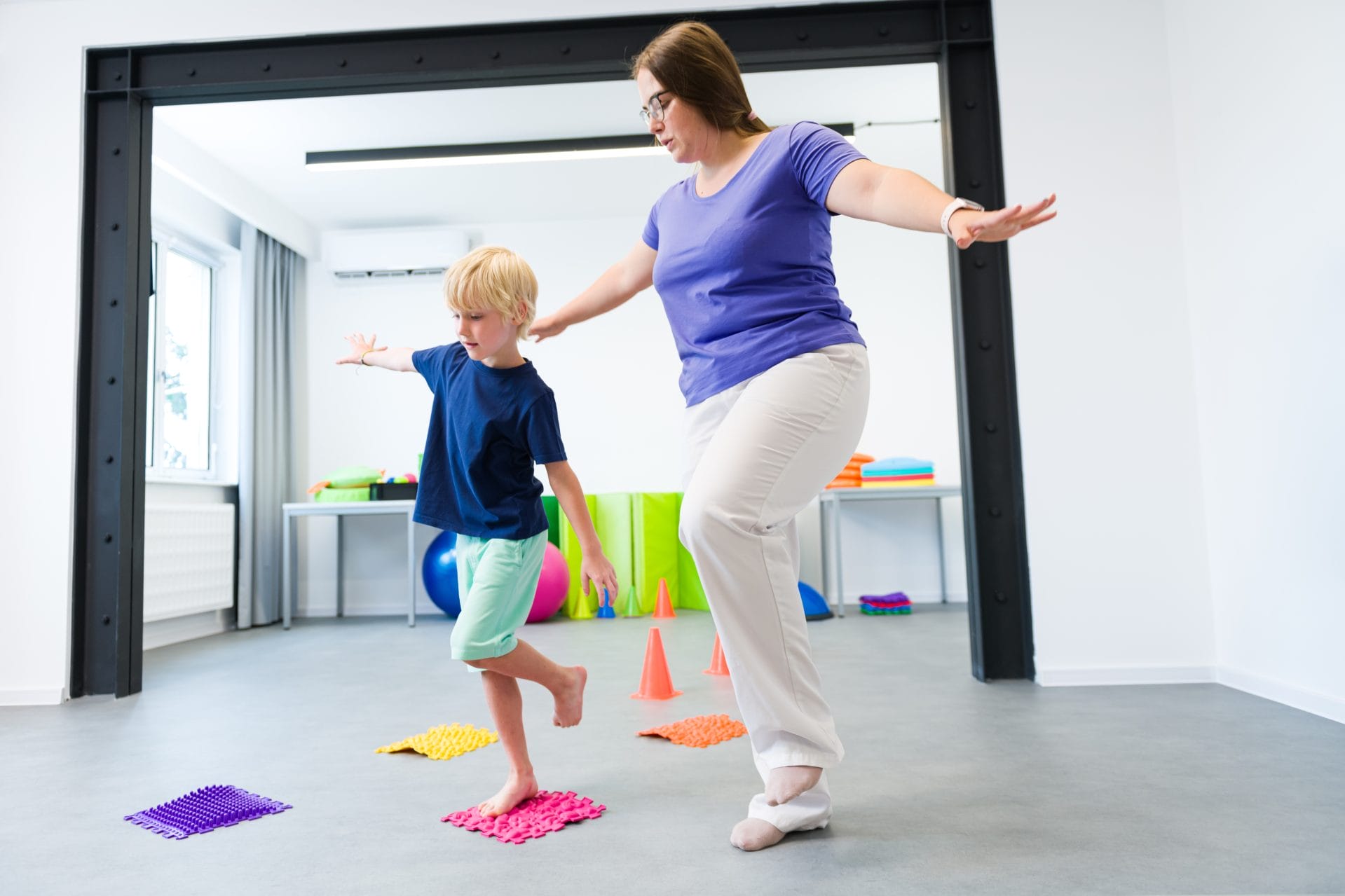
Physical Therapy addresses developmental, orthopedic, and neurologic needs and strengthens the skills children need for everyday activities, play, and exploration.
Instead of checking items off a clinical checklist, sessions feel like purposeful play, whether we’re building muscle strength on a jungle gym or practicing balance by hopping between mats.
Our encouraging, playful sessions help children feel strong, capable, and proud.

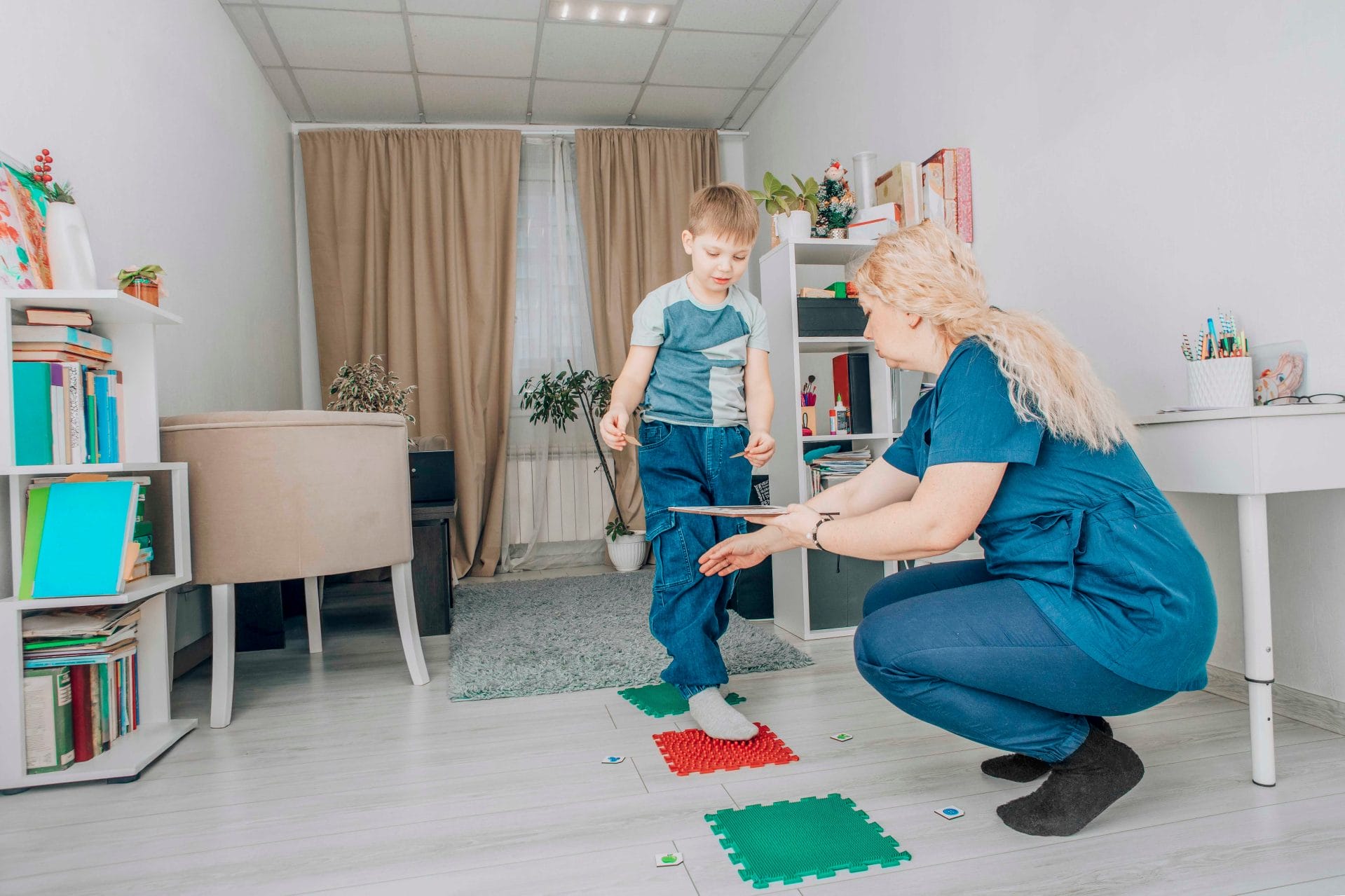
Feeding Therapy and Sensory Integration support children with eating challenges, whether it’s self-feeding difficulties, sensitivity to textures or smells, gagging, or chewing or swallowing issues.
Our therapists assess the sensory, physical, behavioral, and emotional factors affecting mealtime experience and use child-friendly strategies to support food acceptance.
Parents learn tools they can use at home, helping create calmer, more enjoyable mealtimes and positive overall sensory experiences.
Beyond one-on-one therapy, My Potential offers specialty programs and workshops designed to provide focused support, skill building, and enrichment for children and families.
From social skills groups and school readiness intensives to parent education sessions and seasonal programs, these offerings create meaningful opportunities for connection, confidence, and real-world practice in a supportive environment.

Pediatric Occupational Therapy helps children build the skills they need to participate fully in everyday life.
Our therapists support children with challenges such as sensory processing and regulation, motor planning and coordination, hand strength, and self-care routines like feeding, dressing, and buttoning.
Using a playful, child-centered approach, each session actively includes parents to acknowledge and address their concerns.
Speech and Language Therapy supports children in communicating their needs, ideas, and feelings.
Our therapists work to alleviate challenges like unclear speech, limited vocabulary, social communication, stuttering, and even feeding and oral-motor concerns.
By turning everyday moments into opportunities to connect by reading stories or sharing jokes, we make speech therapy feel like play, not practice.
We coordinate our work with other providers to ensure your child receives well-rounded support across all environments.
Physical Therapy addresses developmental, orthopedic, and neurologic needs and strengthens the skills children need for everyday activities, play, and exploration.
Instead of checking items off a clinical checklist, sessions feel like purposeful play, whether we’re building muscle strength on a jungle gym or practicing balance by hopping between mats.
Our encouraging, playful sessions help children feel strong, capable, and proud.
Feeding Therapy and Sensory Integration support children with eating challenges, whether it’s self-feeding difficulties, sensitivity to textures or smells, gagging, or chewing or swallowing issues.
Our therapists assess the sensory, physical, behavioral, and emotional factors affecting mealtime experience and use child-friendly strategies to support food acceptance.
Parents learn tools they can use at home, helping create calmer, more enjoyable mealtimes and positive overall sensory experiences.
Applied Behavior Analysis therapy uses proven, evidence-based techniques to help children build skills in communication, social interaction, play, academics, and everyday routines.
Whether practicing sharing during playtime, building independence in morning routines, or learning new skills in school and community settings, each program is personalized, hands-on, and connected to real life.
Beyond one-on-one therapy, My Potential offers specialty programs and workshops designed to provide focused support, skill building, and enrichment for children and families.
From social skills groups and school readiness intensives to parent education sessions and seasonal programs, these offerings create meaningful opportunities for connection, confidence, and real-world practice in a supportive environment.
Speech and Language Therapy supports children in communicating their needs, ideas, and feelings.
Our therapists work to alleviate challenges like unclear speech, limited vocabulary, social communication, stuttering, and even feeding and oral-motor concerns.
By turning everyday moments into opportunities to connect by reading stories or sharing jokes, we make speech therapy feel like play, not practice.
We coordinate our work with other providers to ensure your child receives well-rounded support across all environments.
Pediatric Occupational Therapy helps children build the skills they need to participate fully in everyday life.
Our therapists support children with challenges such as sensory processing and regulation, motor planning and coordination, hand strength, and self-care routines like feeding, dressing, and buttoning.
Using a playful, child-centered approach, each session actively includes parents to acknowledge and address their concerns.
Feeding Therapy and Sensory Integration support children with eating challenges, whether it’s self-feeding difficulties, sensitivity to textures or smells, gagging, or chewing or swallowing issues.
Our therapists assess the sensory, physical, behavioral, and emotional factors affecting mealtime experience and use child-friendly strategies to support food acceptance.
Parents learn tools they can use at home, helping create calmer, more enjoyable mealtimes and positive overall sensory experiences.
Physical Therapy addresses developmental, orthopedic, and neurologic needs and strengthens the skills children need for everyday activities, play, and exploration.
Instead of checking items off a clinical checklist, sessions feel like purposeful play, whether we’re building muscle strength on a jungle gym or practicing balance by hopping between mats.
Our encouraging, playful sessions help children feel strong, capable, and proud.
Applied Behavior Analysis therapy uses proven, evidence-based techniques to help children build skills in communication, social interaction, play, academics, and everyday routines.
Whether practicing sharing during playtime, building independence in morning routines, or learning new skills in school and community settings, each program is personalized, hands-on, and connected to real life.
Beyond one-on-one therapy, My Potential offers specialty programs and workshops designed to provide focused support, skill building, and enrichment for children and families.
From social skills groups and school readiness intensives to parent education sessions and seasonal programs, these offerings create meaningful opportunities for connection, confidence, and real-world practice in a supportive environment.
Physical Therapy addresses developmental, orthopedic, and neurologic needs and strengthens the skills children need for everyday activities, play, and exploration.
Instead of checking items off a clinical checklist, sessions feel like purposeful play, whether we’re building muscle strength on a jungle gym or practicing balance by hopping between mats.
Our encouraging, playful sessions help children feel strong, capable, and proud.
Speech and Language Therapy supports children in communicating their needs, ideas, and feelings.
Our therapists work to alleviate challenges like unclear speech, limited vocabulary, social communication, stuttering, and even feeding and oral-motor concerns.
By turning everyday moments into opportunities to connect by reading stories or sharing jokes, we make speech therapy feel like play, not practice.
We coordinate our work with other providers to ensure your child receives well-rounded support across all environments.
Pediatric Occupational Therapy helps children build the skills they need to participate fully in everyday life.
Our therapists support children with challenges such as sensory processing and regulation, motor planning and coordination, hand strength, and self-care routines like feeding, dressing, and buttoning.
Using a playful, child-centered approach, each session actively includes parents to acknowledge and address their concerns.
Feeding Therapy and Sensory Integration support children with eating challenges, whether it’s self-feeding difficulties, sensitivity to textures or smells, gagging, or chewing or swallowing issues.
Our therapists assess the sensory, physical, behavioral, and emotional factors affecting mealtime experience and use child-friendly strategies to support food acceptance.
Parents learn tools they can use at home, helping create calmer, more enjoyable mealtimes and positive overall sensory experiences.
Applied Behavior Analysis therapy uses proven, evidence-based techniques to help children build skills in communication, social interaction, play, academics, and everyday routines.
Whether practicing sharing during playtime, building independence in morning routines, or learning new skills in school and community settings, each program is personalized, hands-on, and connected to real life.
Beyond one-on-one therapy, My Potential offers specialty programs and workshops designed to provide focused support, skill building, and enrichment for children and families.
From social skills groups and school readiness intensives to parent education sessions and seasonal programs, these offerings create meaningful opportunities for connection, confidence, and real-world practice in a supportive environment.
Feeding Therapy and Sensory Integration support children with eating challenges, whether it’s self-feeding difficulties, sensitivity to textures or smells, gagging, or chewing or swallowing issues.
Our therapists assess the sensory, physical, behavioral, and emotional factors affecting mealtime experience and use child-friendly strategies to support food acceptance.
Parents learn tools they can use at home, helping create calmer, more enjoyable mealtimes and positive overall sensory experiences.
Physical Therapy addresses developmental, orthopedic, and neurologic needs and strengthens the skills children need for everyday activities, play, and exploration.
Instead of checking items off a clinical checklist, sessions feel like purposeful play, whether we’re building muscle strength on a jungle gym or practicing balance by hopping between mats.
Our encouraging, playful sessions help children feel strong, capable, and proud.
Speech and Language Therapy supports children in communicating their needs, ideas, and feelings.
Our therapists work to alleviate challenges like unclear speech, limited vocabulary, social communication, stuttering, and even feeding and oral-motor concerns.
By turning everyday moments into opportunities to connect by reading stories or sharing jokes, we make speech therapy feel like play, not practice.
We coordinate our work with other providers to ensure your child receives well-rounded support across all environments.
Pediatric Occupational Therapy helps children build the skills they need to participate fully in everyday life.
Our therapists support children with challenges such as sensory processing and regulation, motor planning and coordination, hand strength, and self-care routines like feeding, dressing, and buttoning.
Using a playful, child-centered approach, each session actively includes parents to acknowledge and address their concerns.
Applied Behavior Analysis therapy uses proven, evidence-based techniques to help children build skills in communication, social interaction, play, academics, and everyday routines.
Whether practicing sharing during playtime, building independence in morning routines, or learning new skills in school and community settings, each program is personalized, hands-on, and connected to real life.
Beyond one-on-one therapy, My Potential offers specialty programs and workshops designed to provide focused support, skill building, and enrichment for children and families.
From social skills groups and school readiness intensives to parent education sessions and seasonal programs, these offerings create meaningful opportunities for connection, confidence, and real-world practice in a supportive environment.
Beyond one-on-one therapy, My Potential offers specialty programs and workshops designed to provide focused support, skill building, and enrichment for children and families.
From social skills groups and school readiness intensives to parent education sessions and seasonal programs, these offerings create meaningful opportunities for connection, confidence, and real-world practice in a supportive environment.
Applied Behavior Analysis therapy uses proven, evidence-based techniques to help children build skills in communication, social interaction, play, academics, and everyday routines.
Whether practicing sharing during playtime, building independence in morning routines, or learning new skills in school and community settings, each program is personalized, hands-on, and connected to real life.
Pediatric Occupational Therapy helps children build the skills they need to participate fully in everyday life.
Our therapists support children with challenges such as sensory processing and regulation, motor planning and coordination, hand strength, and self-care routines like feeding, dressing, and buttoning.
Using a playful, child-centered approach, each session actively includes parents to acknowledge and address their concerns.
Speech and Language Therapy supports children in communicating their needs, ideas, and feelings.
Our therapists work to alleviate challenges like unclear speech, limited vocabulary, social communication, stuttering, and even feeding and oral-motor concerns.
By turning everyday moments into opportunities to connect by reading stories or sharing jokes, we make speech therapy feel like play, not practice.
We coordinate our work with other providers to ensure your child receives well-rounded support across all environments.
Physical Therapy addresses developmental, orthopedic, and neurologic needs and strengthens the skills children need for everyday activities, play, and exploration.
Instead of checking items off a clinical checklist, sessions feel like purposeful play, whether we’re building muscle strength on a jungle gym or practicing balance by hopping between mats.
Our encouraging, playful sessions help children feel strong, capable, and proud.
Feeding Therapy and Sensory Integration support children with eating challenges, whether it’s self-feeding difficulties, sensitivity to textures or smells, gagging, or chewing or swallowing issues.
Our therapists assess the sensory, physical, behavioral, and emotional factors affecting mealtime experience and use child-friendly strategies to support food acceptance.
Parents learn tools they can use at home, helping create calmer, more enjoyable mealtimes and positive overall sensory experiences.


From the very first session, we knew Marissa was different. She didn’t just work with our child—she worked with our entire family. She took the time to understand our goals, our concerns, and our child’s strengths. Marissa helped us see possibilities instead of limitations. Her dedication, warmth, and collaboration with other professionals gave us confidence and hope. We are forever grateful for the impact she has had on our child’s growth and independence.

Marissa is an amazing therapist. She has helped my son so much to move forward with his daily living and super supportive throughout the journey. I would definitely recommend her because she is someone who wants to help your kid in every way and is very nurturing.
Once you reach out—through our 24-hour phone service, email, or website inquiry—a team member will contact you within 24 hours. You’ll receive all required intake paperwork electronically. Before your first appointment, our team will verify your insurance benefits so you have a clear understanding of coverage. If you don’t hear back within 24–48 hours, please call or email—we’re always here to help and can schedule your screening or evaluation right away.
Screenings are complimentary and give a quick snapshot of your child’s current skills. The therapist may observe your child playing or completing simple tasks—no formal testing is done. Evaluations involve standardized testing, detailed assessment, and clinical analysis. They are required by insurance for authorization and help determine whether therapy is both beneficial and medically necessary.
Please bring your insurance card and completed paperwork (if not submitted online). During the visit:
– You’ll receive a tour of the facility
– You’ll meet the evaluating therapist
– If your child is comfortable, they may transition with the therapist for assessment
– Parents complete an interview with a patient advocate
– Insurance benefits are reviewed
– Results and recommendations are discussed
– A plan for next steps is created, and future sessions are scheduled
Written reports are usually completed within 7 days. In some cases—depending on complexity or caseload—it may take up to 10 days.
Absolutely. We offer Occupational Therapy, Speech Therapy, Physical Therapy, and ABA Therapy, individually or in combination. Some children benefit from pairing sessions (e.g., Speech + OT), but some insurance plans only reimburse one therapy service per day—we will guide you based on your coverage.
Progress timelines vary based on each child’s needs, therapy intensity, and treatment goals. Many families notice early changes within a few months. Consistent, long-term ABA often leads to meaningful, lasting growth.
Every child is unique, so every ABA program is tailored to their strengths, needs, and goals. A Board Certified Behavior Analyst (BCBA) completes a thorough assessment, then creates an individualized treatment plan targeting areas such as communication, behavior, social skills, play, and daily living.
Therapists continuously adjust goals based on progress to ensure growth remains meaningful and child-centered.
Bright Beginnings is our full-day, ABA-based early learning program for children ages 18 months to 6 years old. It blends the science of learning with a warm, school-like environment designed to support communication, independence, social development, and early academic skills. Children receive individualized ABA therapy from BCBAs and RBTs while also participating in:
Structured play, Small-group learning, Peer interaction, Early childhood curriculum aligned with kindergarten readiness. The program runs 5–7 hours per day and includes continuous data collection, ongoing assessments, and monthly team meetings. Parent training is included to support carryover at home. Most families use insurance; many are responsible only for their copay. Our team verifies benefits during your inquiry. Bright Beginnings is designed to help young children build confidence, connection, independence, and the strong foundation they need for lifelong growth.
School evaluations cannot be used for insurance authorization because they are educational—not medical—assessments. Depending on your insurance plan, we may be able to use a medical evaluation from another clinic if it was completed within the last 3 months.
We can legally begin therapy without a referral; however, some insurance plans do require one for reimbursement. If a referral is needed, our team will guide you through the process and help coordinate with your provider.
We are currently not in-network with insurance companies but expect to be very shortly.In the meantime, we work with all out-of-network insurance providers and submit claims on your behalf to help simplify the process. Self-pay options are also available. If you have questions about your benefits or coverage, we’re here to support you every step of the way.
At this time, we are not affiliated with Medicaid plans, including NJ FamilyCare/NJ Health.
We do not have a waitlist right now for any services. Call us today to schedule!
Yes. Many therapists offer Saturday appointments, and several provide evening sessions until 8:00 PM, based on availability.
We aim for consistency and do our best to keep your child with the same therapist at the same time each week. If a make-up is needed, we will work to reschedule or find an appropriate substitute.
Parental involvement is encouraged and decided collaboratively with your child’s therapist. We balance active participation with preserving a therapeutic environment and protecting the privacy of other families. Siblings usually do not participate unless sibling interaction is part of the treatment plan. In those cases, goals are written into the plan and sessions are scheduled during quieter times.
Applied Behavior Analysis (ABA) is a research-based approach that teaches meaningful skills and reduces challenging behaviors by understanding how learning occurs. It has been shown to improve communication, social-emotional development, adaptive skills, fine motor tasks, cognition, and more—especially for children with Autism Spectrum Disorder. ABA is the most evidence-supported therapy for autism and is endorsed by the American Academy of Pediatrics, Autism Society of America, Autism Speaks, and others.
ABA supports children with Autism Spectrum Disorder and those experiencing behavioral, social, communication, or learning challenges. It can be effective for children who need help with Communication, Social interaction, Behavior regulation, Daily living skills, Play and engagement, School readiness, Emotional flexibility, Skill acquisition across all areas of development. ABA helps children build confidence, learn new ways of communicating, and feel more successful at home, school, and in the community.