Step 1: Feeding & Sensory Assessment
We look at oral-motor skills, sensory responses, food acceptance, self-feeding, and the emotional experience of mealtimes.

We help children build the skills and confidence needed for more successful, enjoyable mealtimes. Our therapists assess the sensory, motor, behavioral, and emotional factors contributing to feeding difficulties. We work closely with parents to model strategies, share supportive tools, and ensure families feel confident continuing progress at home.
What Feeding Therapy Helps With:
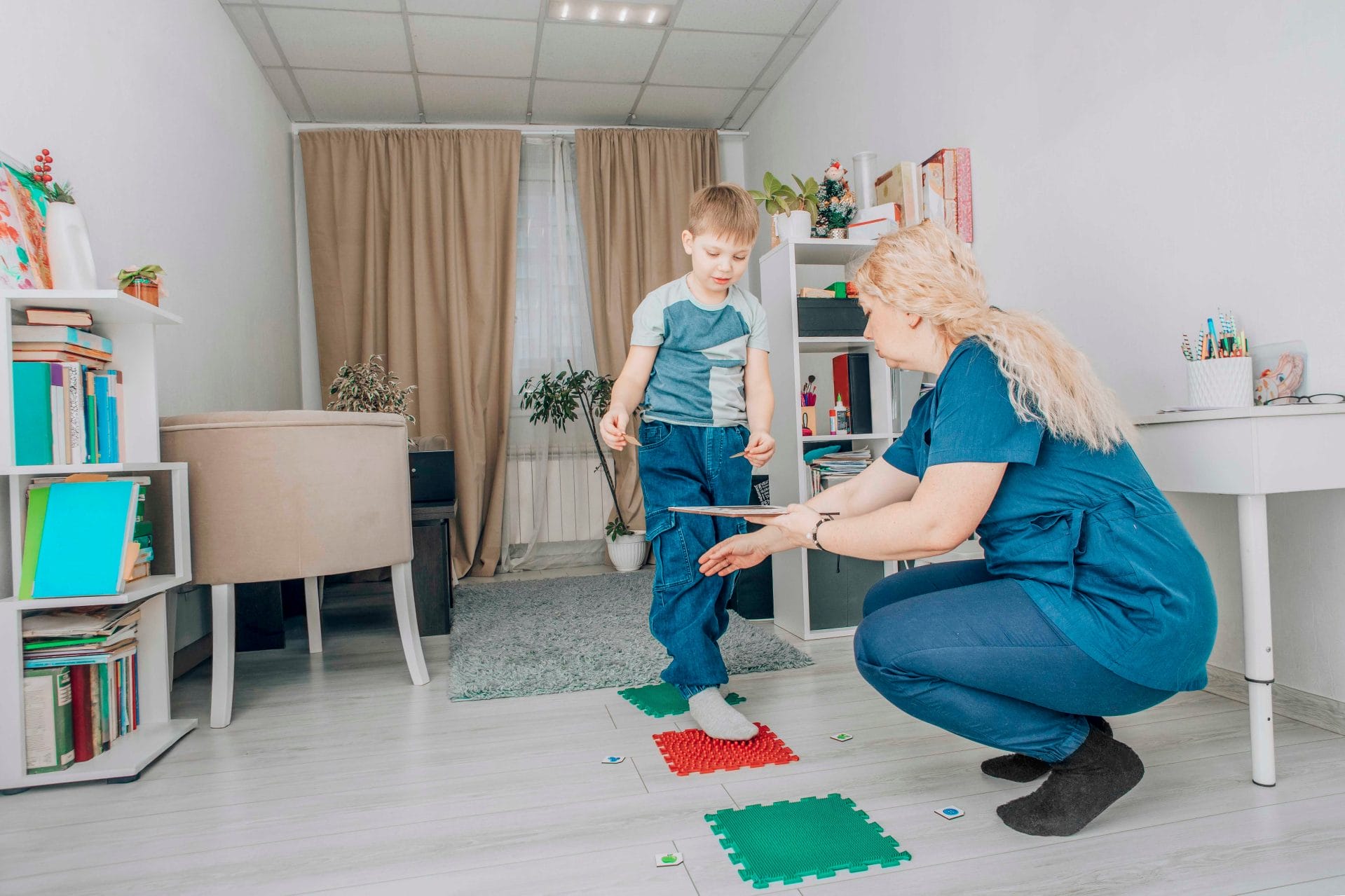

Sensory Integration Therapy supports the nervous system’s ability to process information from the environment—sound, touch, movement, body position, and more. When sensory processing feels overwhelming or unorganized, children may struggle with attention, posture, coordination, motor planning, or emotional regulation. Our therapists use individualized, movement-based strategies that help the body feel grounded and organized, making daily routines calmer and more manageable.
What Sensory Integration Helps With:


We create a calm, supportive environment where children feel safe trying new foods, exploring new sensations, and gaining confidence at their own pace. Therapy blends gentle sensory work, playful engagement, and practical routines that help mealtimes feel easier and more enjoyable. Parents are active partners — we coach, collaborate, and provide simple strategies they can use at home, in school, and in the community.


From the very first session, we knew Marissa was different. She didn’t just work with our child—she worked with our entire family. She took the time to understand our goals, our concerns, and our child’s strengths. Marissa helped us see possibilities instead of limitations. Her dedication, warmth, and collaboration with other professionals gave us confidence and hope. We are forever grateful for the impact she has had on our child’s growth and independence.

Marissa is an amazing therapist. She has helped my son so much to move forward with his daily living and super supportive throughout the journey. I would definitely recommend her because she is someone who wants to help your kid in every way and is very nurturing.
The My Potential Foundation helps remove financial and accessibility barriers so children can participate in therapies, community programs, adaptive sports, and family-centered activities that support their growth.
Through donations, partnerships, and grants, we help families access: